


Dentistry is a vital branch of healthcare that focuses on the diagnosis, prevention, and treatment of oral diseases and conditions. It encompasses a wide range of practices, from routine check-ups and cleanings to advanced procedures such as oral surgery and orthodontics. The importance of maintaining good oral health cannot be overstated, as it is closely linked to overall well-being, affecting everything from nutrition to self-esteem. As advancements in technology continue to transform the field, dentistry is evolving to provide better patient experiences and outcomes.
In this article, we will explore the various specialties within dentistry, the significance of preventive care, and the latest innovations that are shaping the future of oral health. From understanding the role of dental hygienists to delving into the impact of cosmetic dentistry, we aim to provide a comprehensive overview of how dental professionals strive to promote healthier smiles. Whether you are seeking information as a patient, a student considering a career in dentistry, or simply curious about how dental care affects your life, this guide will offer valuable insights into this essential field of medicine.
Specialties Within Dentistry
Dentistry encompasses a variety of specialties, each focusing on different aspects of oral health. General dentistry primarily deals with preventive care and the treatment of common dental issues, while specialized fields such as orthodontics, periodontics, and oral surgery address more complex concerns. Orthodontics, for example, involves the correction of misaligned teeth and jaws through braces and other devices. In contrast, periodontics focuses on the prevention, diagnosis, and treatment of gum disease, which is crucial for maintaining a healthy mouth. Patients looking for comprehensive dental care can find expert practitioners, such as a Dentist Wicker Park, who may offer an array of services tailored to individual needs.
The Importance of Preventive Care
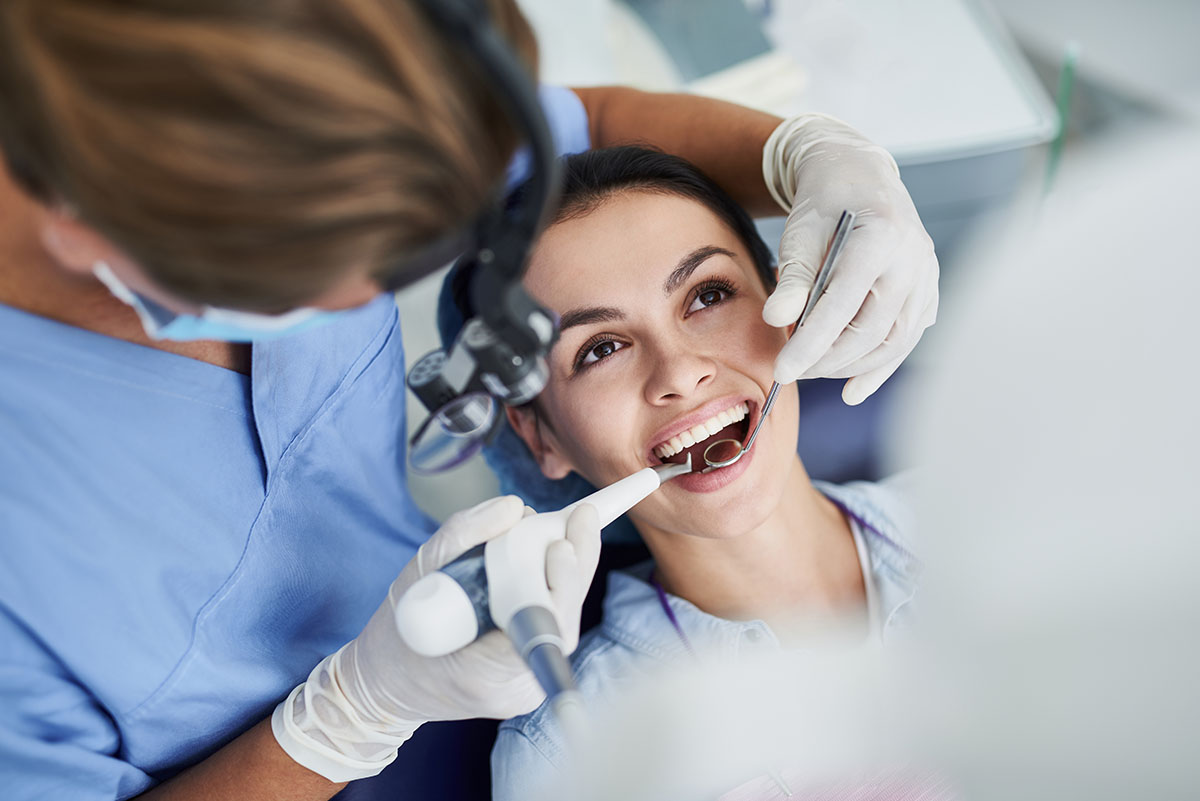
Preventive care in dentistry plays a crucial role in maintaining oral health and preventing more serious conditions. Regular dental check-ups and cleanings are essential for early detection of potential problems, such as cavities or gum disease, allowing for timely intervention. Educating patients about proper oral hygiene practices, including brushing, flossing, and dietary choices, empowers them to take charge of their health. Enhanced preventive measures not only reduce the need for invasive procedures but also contribute to overall health, as oral diseases can have far-reaching effects on general wellness. As such, a proactive approach to dental care is vital for achieving long-lasting, healthy smiles.
Innovations Shaping the Future of Dentistry
As we look toward the future, innovations in dentistry are set to revolutionize patient care and treatment methodologies. Advanced imaging techniques, such as 3D scanning and digital X-rays, allow for more accurate diagnostics and personalized treatment plans, minimizing discomfort and improving outcomes. Additionally, the integration of artificial intelligence and tele-dentistry is enabling practitioners to enhance consultation processes and patient education, making oral health services more accessible than ever. Furthermore, the development of biocompatible materials and minimally invasive techniques is transforming restorative dentistry, providing patients with safer and more efficient treatment options. By embracing these advancements, the dental community not only aims to improve clinical efficacy but also to foster a more patient-centered approach in their practices, ensuring that everyone can achieve and maintain optimal oral health in an increasingly interconnected world.