

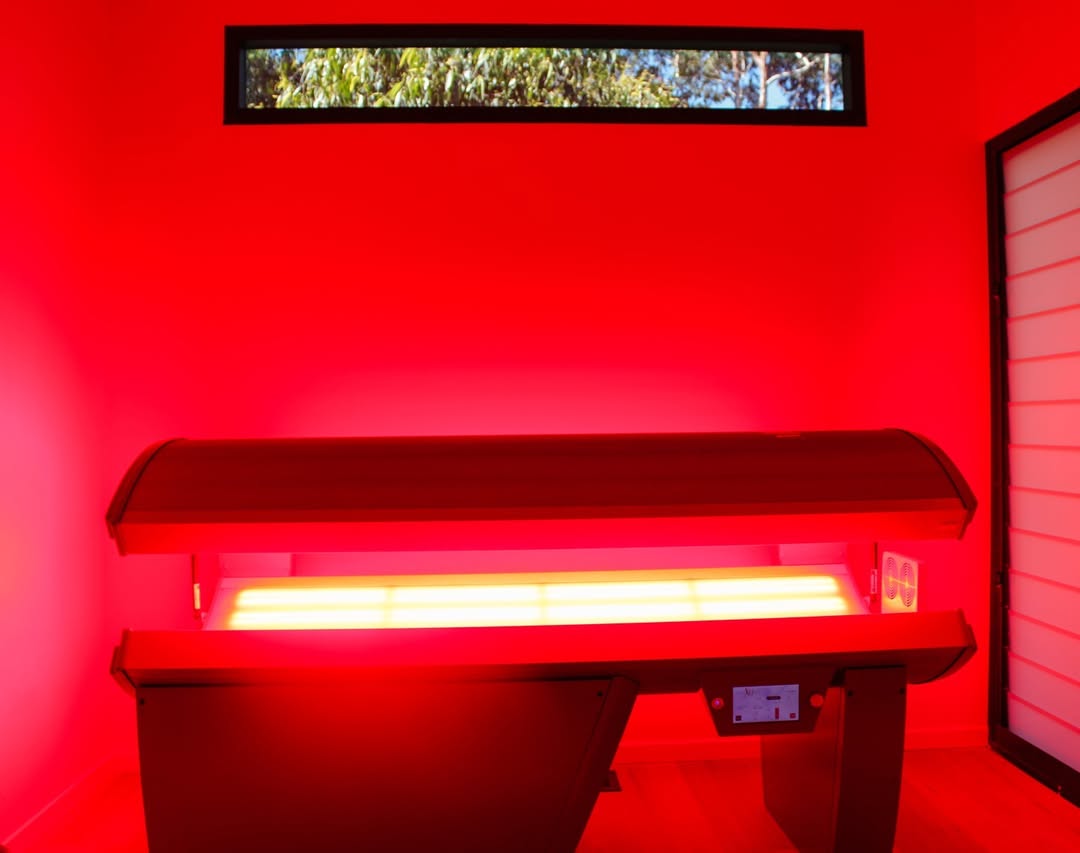
Red light therapy has emerged as a popular non-invasive treatment option, gaining traction among those seeking alternative methods for enhancing skin health, reducing inflammation, and alleviating pain. Utilizing specific wavelengths of light, this therapy stimulates cellular function, prompting natural healing processes within the body. With a growing body of research backing its efficacy, red light therapy is being explored for a range of applications, from skincare and anti-aging to muscle recovery and chronic pain relief.
As the demand for holistic and accessible therapies increases, understanding the science behind red light therapy can empower individuals to make informed decisions about their health and wellness regimens. This article delves into the mechanisms of action, benefits, and practical applications of red light therapy, providing insights into how this innovative treatment can be integrated into everyday life to optimize health and well-being.
Mechanisms of Action
Red light therapy operates primarily through photobiomodulation, a process in which light energy interacts with mitochondria, the energy-producing organelles in cells. This interaction boosts ATP (adenosine triphosphate) production, enhancing cellular energy and promoting repair mechanisms. As cells become more energized, they can heal faster and effectively respond to inflammation, thereby reducing pain and accelerating recovery from injuries. The wavelength of red light specifically allows for deeper penetration into the skin, making it particularly effective for targeting conditions such as acne, rosacea, and even signs of aging. For those looking to understand the intricacies of how this therapy functions, delving into the Science Behind Red Light Therapy can provide valuable insights.

Benefits and Applications
The therapeutic benefits of red light therapy extend beyond mere aesthetic improvements. Studies have shown its effectiveness in enhancing muscle recovery post-exercise, alleviating chronic pain in conditions such as arthritis, and even improving sleep quality by regulating circadian rhythms. From professional athletes looking to optimize performance to individuals managing everyday ailments, the applications of this therapy are versatile. Moreover, the non-invasive nature of red light therapy makes it appealing as a complementary treatment in conjunction with more traditional medical approaches, allowing users the flexibility to tailor their wellness routines to their specific needs.
In conclusion, red light therapy stands at the forefront of innovative health treatments, harnessing the power of light to promote healing and enhance well-being across various applications. Its ability to stimulate cellular function and accelerate recovery processes not only addresses aesthetic concerns but also offers significant benefits for pain management and overall health. As research continues to unravel the complexities of photobiomodulation, individuals can confidently consider incorporating red light therapy into their wellness regimens, leveraging its scientifically-backed benefits to support a balanced and proactive approach to health. By embracing this non-invasive therapy, one can unlock the potential for improved quality of life, resilience, and vitality in an increasingly health-conscious world.